
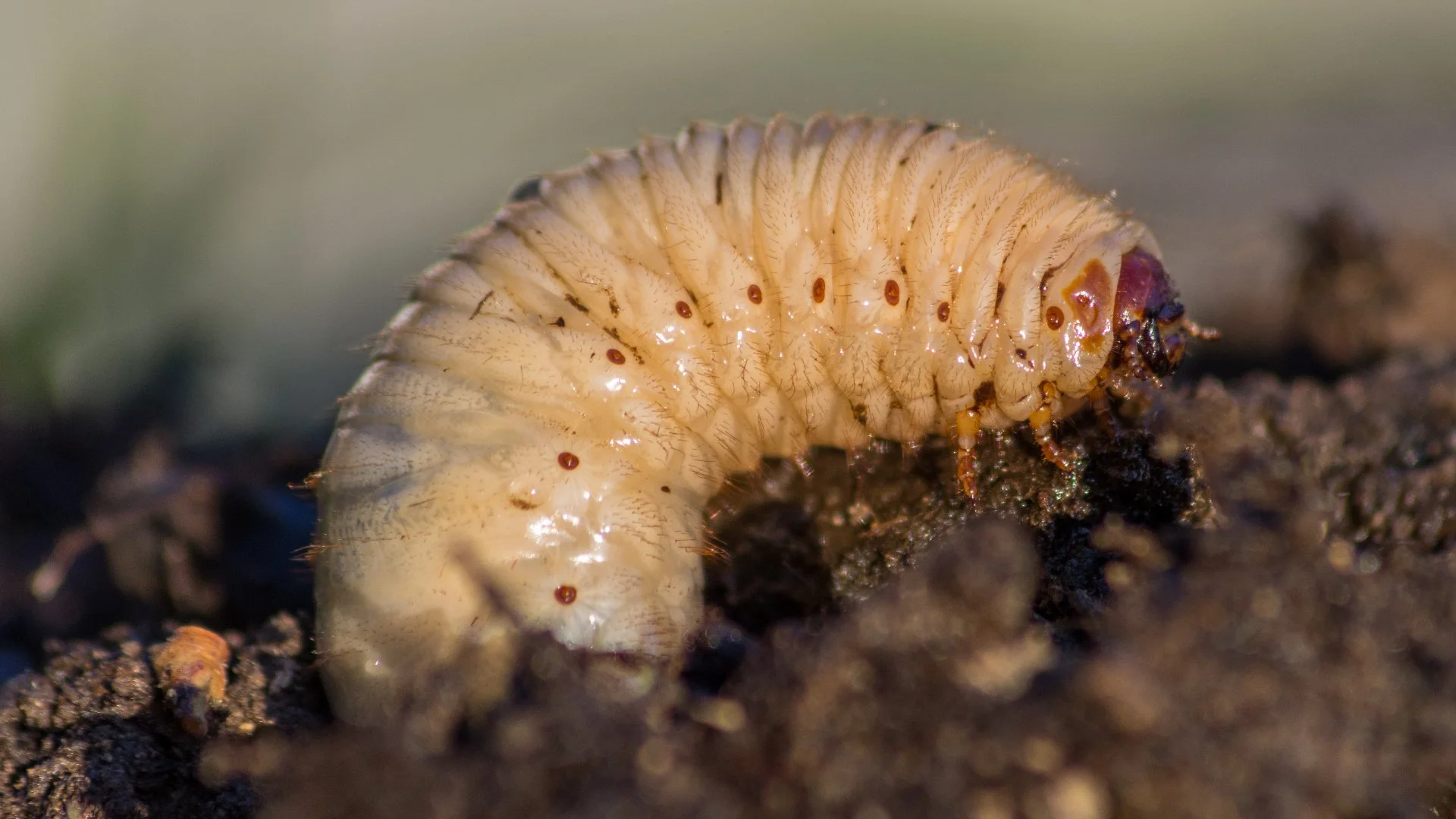
If you're dealing with a grub infestation in your lawn in Florida, you may be wondering if it will eventually go away on its own. Unfortunately, the answer is no. If left untreated, the grub infestation will continue to spread and cause even more harm to your lawn. That's why it's important to take action as soon as you notice grubs in your lawn. Hiring professionals to apply curative treatments can help minimize the damage they cause. Additionally, investing in preventative treatments next year can prevent grubs from infesting your turf again!
Unfortunately, grubs won't go away on their own.
Grubs are persistent pests that can inflict severe damage on your lawn if not addressed promptly. They are the larval stage of various beetles, and these larvae primarily feed on grass roots, leading to weakened and brown patches of grass. If left untreated, a grub infestation can escalate, resulting in widespread destruction that leaves your lawn looking unsightly and unhealthy. The damage grubs cause can extend beyond the aesthetic, as compromised root systems weaken the grass, making it less resilient to environmental stressors like drought or disease.
Moreover, grubs can attract other pests such as moles, raccoons, and birds, which often dig up lawns in search of these larvae as a food source. This secondary damage can compound the problem, leaving you with more extensive repairs to bring your lawn back to its former condition. Recognizing the signs of a grub infestation early, such as spongy turf that pulls up easily, is crucial in taking swift action to minimize the impact on your lawn's health.
If you notice grubs, you need to hire pros to apply curative treatments right away.
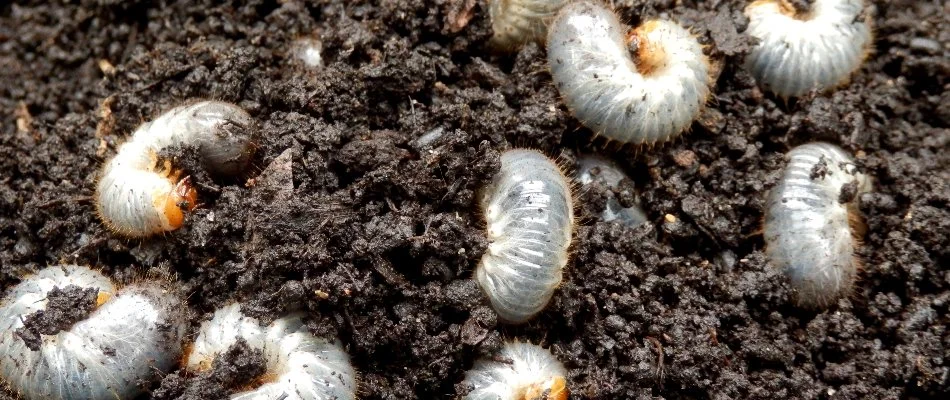
If you spot signs of a grub infestation, it’s essential to act quickly by hiring professionals to apply curative treatments. These treatments are specifically formulated to eliminate existing grubs, thereby halting their destructive feeding habits. Professional intervention ensures that the correct methods and products are used to target the infestation effectively. By enlisting expert help as soon as you notice the problem, you can significantly reduce the potential damage to your lawn, keeping it healthy and green.
Next year, invest in preventative treatments to prevent grubs from becoming a problem again.
Once you have managed an existing grub problem, it’s wise to consider preventative measures for the future. Investing in preventative treatments the following year can effectively stop grubs from developing in your lawn, averting future infestations. These treatments are strategically timed to target grubs before they begin causing damage, thereby protecting your lawn proactively. By taking these early steps, you ensure a healthy, lush lawn that remains resistant to grub damage year-round.
Incorporating preventative measures not only safeguards your lawn but also saves you time and money in the long run by avoiding costly repairs associated with severe infestations. A proactive approach to lawn care allows you to enjoy a vibrant, pest-free outdoor space with minimal hassle.
Call us today to schedule our grub control treatments!
At FertiGator Lawn Care, we offer both curative and preventative grub control treatments for comprehensive protection against severe grub damage. If your lawn is showing signs of a grub infestation, schedule a curative treatment with us ASAP so we can promptly address the issue. Make them a non-issue next time by investing in our preventative treatments! These treatments are administered every 2 months for consistent and long-lasting coverage.
Our grub control service is available to residential properties in The Villages, Lady Lake, Wildwood, and neighboring areas in Florida. Don't let grubs destroy your lawn - call us today at (352) 314-2867 to schedule our grub control treatments and keep your lawn looking its best!

Comments (0)
Thanks for your comment!
Thanks for your feedback! Your comments have been successfully submitted! Please note, all comments require admin approval prior to display.
Error submitting comment!
There is a problem with your comment, please see below and try again.