
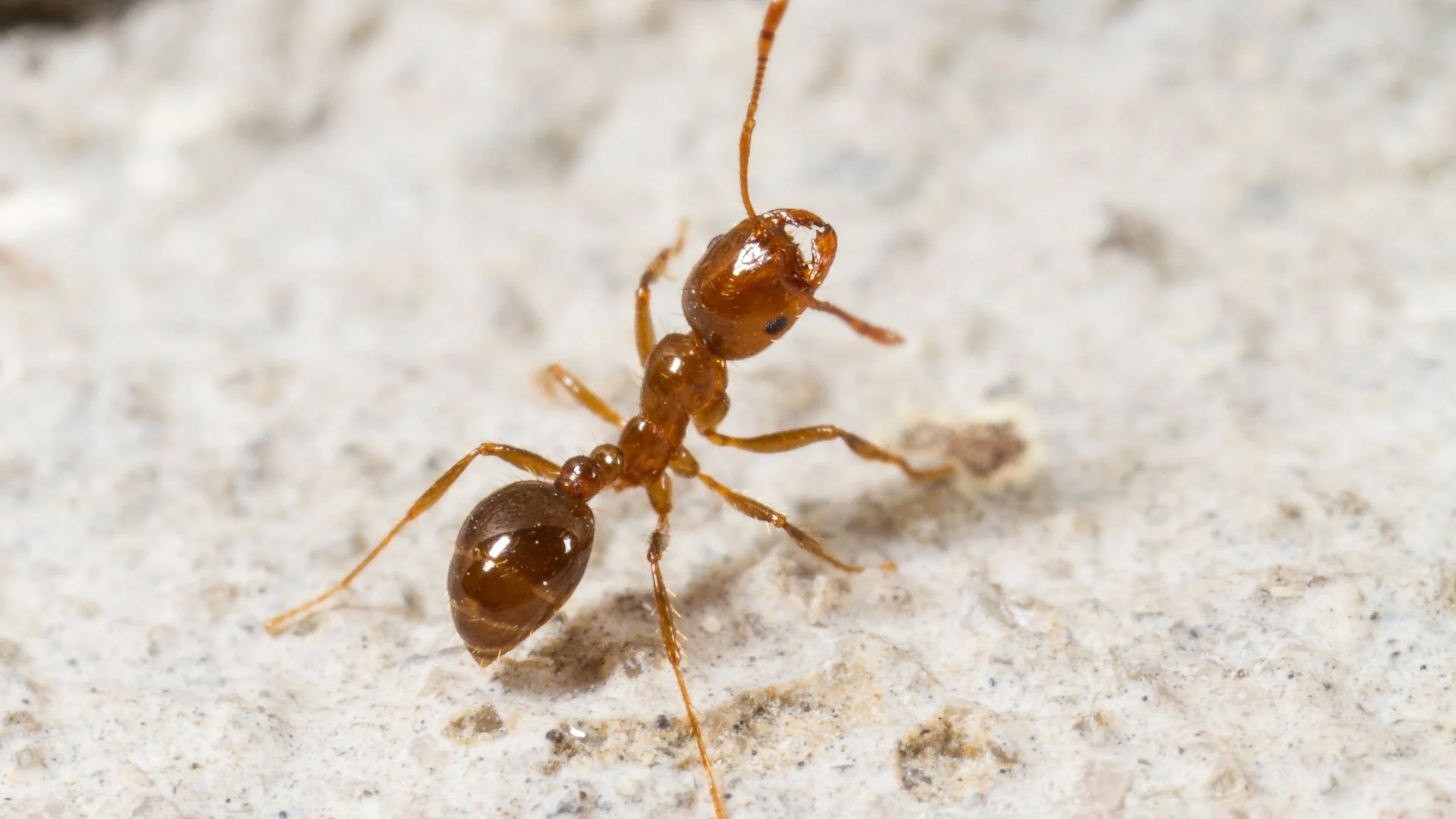
After rain, fire ant mounds often appear because the ants are forced to escape their flooded underground tunnels. They quickly move upwards to protect their colony, including the larvae and queen, by raising their mounds above the water level. Rain also softens the soil, making it easier for ants to rebuild and expand their structures. The increased humidity and moisture after rain also create ideal conditions for fire ants, boosting their foraging activities and aggressiveness. These conditions facilitate the construction of new tunnels and mounds, allowing ants to expand their territory.
If you see fire ant mounds in your yard in Florida, it's crucial to take action, but handling them yourself might not be effective. Enlisting the help of professional pest control experts is recommended. They have the tools and expertise to safely eliminate colonies and provide lasting protection against future infestations. Professionals ensure comprehensive eradication, allowing you to enjoy your outdoor space without worry.
Why do fire ant mounds show up after it rains?
Heavy rainfall can significantly impact fire ant colonies, primarily by flooding their underground tunnels. Fire ants live in intricate networks beneath the soil, and when their tunnels flood, the ants are forced to move upwards to avoid drowning. As a result, you'll often see them rebuilding and raising their mounds above the water level. This effort is crucial to protect their most vital members: the larvae and the queen. By creating elevated mounds, fire ants ensure the safety and continuity of their colony.
Increased humidity and moisture create conducive conditions for fire ants.
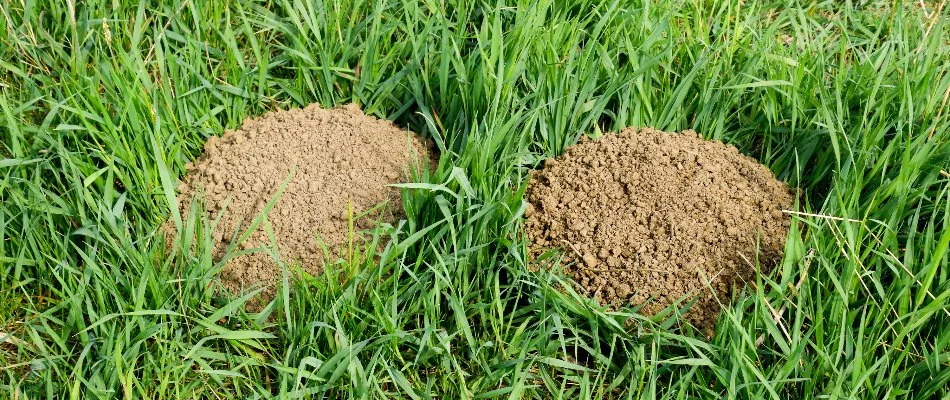
Beyond the immediate need to escape flooding, increased humidity and moisture from rain create ideal conditions for fire ants. Moist soil is not only easier for building but also supports the ants' foraging activities. After rain, the environment becomes more humid, which can lead to increased ant activity and aggressiveness. Additionally, rain provides the moisture necessary for fire ants to construct their mounds more efficiently. The softened soil becomes easier to manipulate, allowing them to quickly rebuild and expand their structures.
These conditions also facilitate the ants' ability to build new tunnels and mounds, allowing them to expand their territory. As a result, you might notice more ant mounds appearing in your yard as they take advantage of the favorable environment.
What should you do if you see fire ant mounds cropping up in your yard?
If you notice an increase in fire ant mounds in your yard, it's essential to take action, but handling the situation on your own may not be the best approach. Enlisting the help of professional pest control experts is highly recommended. Professionals have the experience and tools needed to deal with fire ant infestations effectively and safely. They utilize specialized treatments that target and eliminate existing colonies, providing lasting protection against future infestations.
Attempting to manage fire ants on your own can often lead to ineffective results and the risk of getting bitten. Fire ants are resilient, and without the right methods, they can quickly return or relocate to another part of your yard. Professionals use proven strategies that ensure comprehensive eradication, allowing you to enjoy your outdoor space without worry.
Get rid of the mounds in your yard with our fire ant control service. Call us to schedule!
The appearance of fire ant mounds after rain is a natural response to environmental changes. Get rid of them safely with our professional fire ant control service at FertiGator Lawn Care. This service involves applying a granular treatment across your entire lawn to eliminate these pests. This treatment is designed to protect your property from fire ants for up to 6 months, too! We offer our fire ant control service to homeowners in and around The Villages, Lady Lake, and Wildwood, FL. Give us a call today at (352) 314-2867 to sign up!

Comments (0)
Thanks for your comment!
Thanks for your feedback! Your comments have been successfully submitted! Please note, all comments require admin approval prior to display.
Error submitting comment!
There is a problem with your comment, please see below and try again.