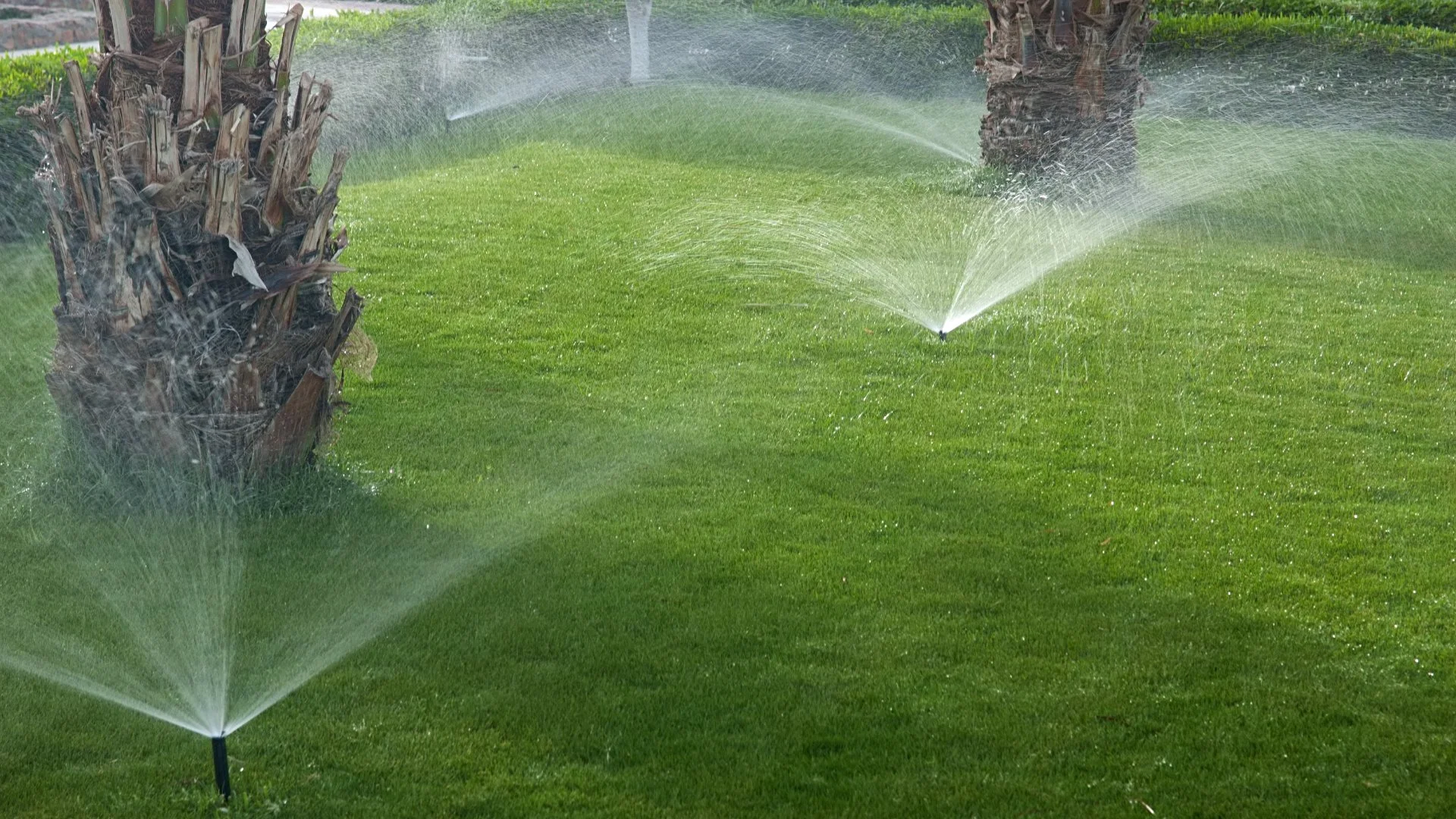
A fertigation unit is a highly efficient and effective method of fertilizing your lawn in Florida, as it delivers the treatments through your irrigation system. However, once winter rolls around, you'll want to winterize it to help your grass transition into dormancy. Winterizing your fertigation unit involves changing the fertilizer to produce less growth; this is achieved by reducing the nitrogen content and increasing potassium. Your lawn needs more potassium in the winter because it helps build up its resistance to stressors and improve moisture retention, which is crucial during this time. Winterizing your fertigation unit should be done in December/January to ensure your turf is well-equipped with the nutrients it needs to endure the winter season.
What does winterizing your fertigation unit involve?
Fertilizers are essential for your lawn's overall health, as they supply vital nutrients like nitrogen, phosphorus, and potassium. One method of dispersing them is through your irrigation system, which is exactly what a fertigation unit does. However, when winter arrives, you will want to winterize it to support your turf's nourishment needs while dormant. Winterizing your fertigation unit involves changing the fertilizer to produce less growth, which is achieved by reducing nitrogen and increasing potassium.
Nitrogen is an essential nutrient that promotes chlorophyll production, which gives your lawn its green color and aids in photosynthesis. However, it also encourages new grass growth, which your grass doesn't need in the winter. After all, it'll go dormant during this season, so it's best to reduce the nitrogen content in the fertilizer to avoid stimulating it.
Why does your lawn need more potassium in the winter?
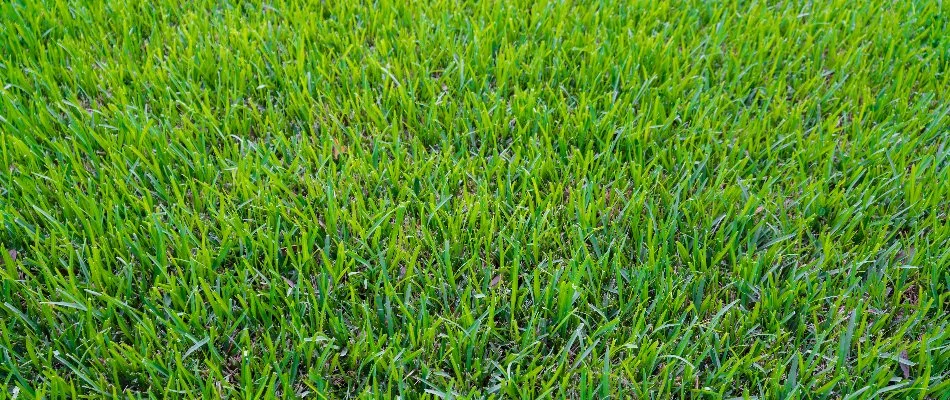
Potassium is one of the most important nutrients your lawn gets from fertilizer, but it'll need more of it during the winter. This nutrient plays a vital role in supporting root development and strengthening cell walls to boost your turf's resilience to stress, including disease, drought, and fluctuating temperatures. That way, it's better equipped to endure the cooler winter weather. Not only that, but it also enhances nutrient and water uptake by your grass, allowing it to absorb everything it needs while improving its moisture retention. By increasing the potassium content in the fertilizer dispersed by your fertigation unit, you can ensure your lawn has the best chance of withstanding winter stress and returning to a lush, vibrant state quicker the following spring.
When should you winterize your fertigation unit?
To ensure your fertigation unit is properly winterized, it should be done in December/January. During these months, your lawn is preparing for dormancy and needs the right balance of nutrients to help it transition. By winterizing your fertigation unit at the right time, you can rest assured that your grass will receive the nutrients it needs to survive the winter season.
Call us today to sign up for our irrigation winterization service!
If you need to winterize your fertigation unit for the winter, look no further than our irrigation winterization service! Our team at FertiGator Lawn Care provides this service in December/January to coincide with when your grass enters its dormant period. For this process, we'll customize the fertilizer to contain more potassium and less nitrogen, focusing more on strengthening its stress resistance rather than active growth. That way, it gets exactly what it needs throughout the winter season.
We offer our irrigation winterization service to residential property owners in The Villages, Lady Lake, Wildwood, FL, and throughout the surrounding areas. Call us today at (352) 314-2867 to sign up for this service!

Comments (0)
Thanks for your comment!
Thanks for your feedback! Your comments have been successfully submitted! Please note, all comments require admin approval prior to display.
Error submitting comment!
There is a problem with your comment, please see below and try again.