
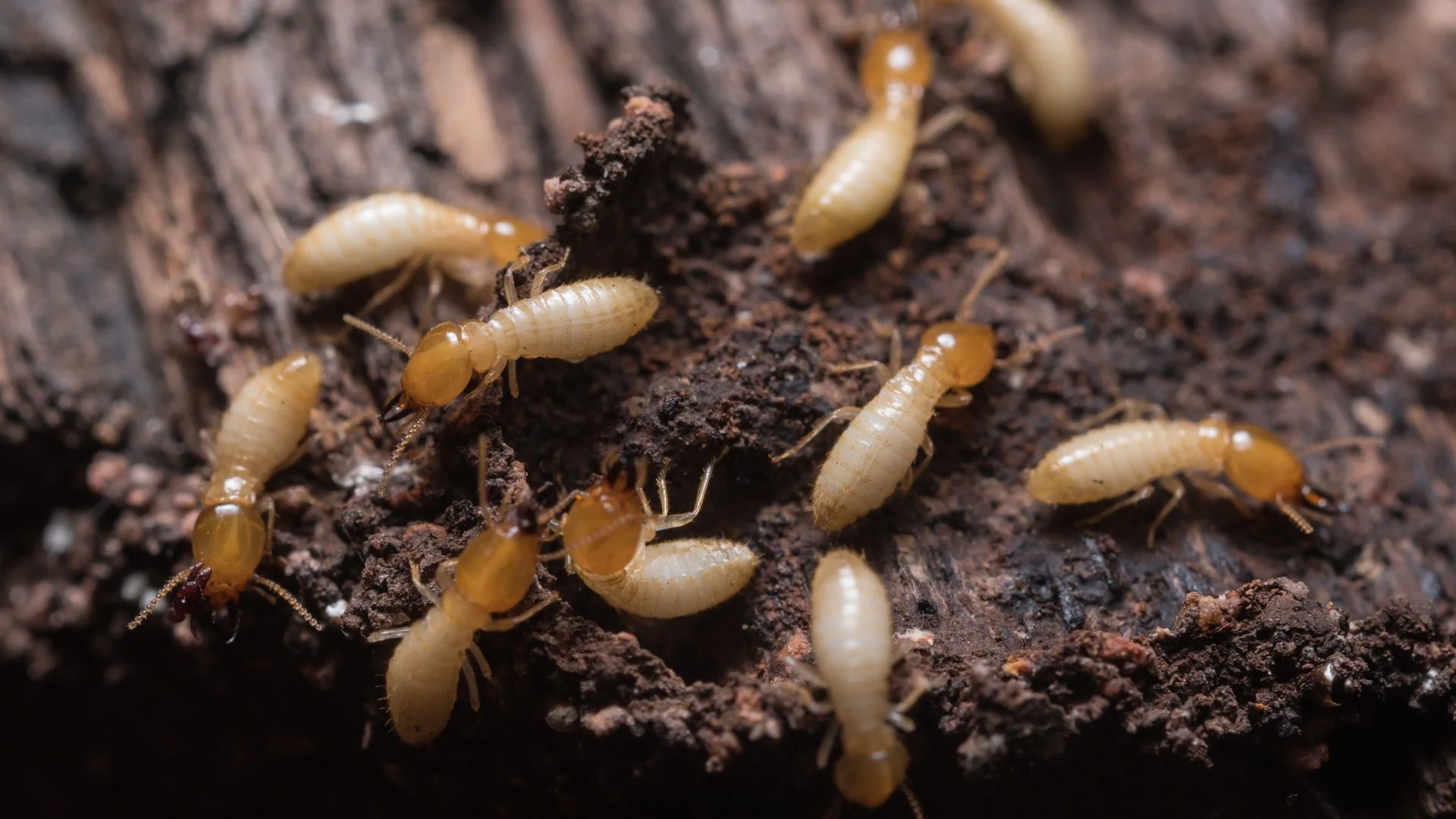
Knowing what attracts termites to your home is the first step to protecting your property in Florida from their damage. Termites are attracted to damp environments, making excess moisture and water damage in your home ideal conditions for them. Leaky pipes and poor drainage can provide the moisture they need. Wood-to-soil contact also makes it easy for termites to access food sources and build colonies. To prevent infestations, avoid direct wood-to-soil contact and keep wooden materials away from your foundation. Foundation cracks serve as entry points for termites, so regularly inspect and seal any gaps to block access. Addressing these issues promptly can help protect your home from termite damage.
Excess Moisture & Water Damage Attracts Termites to Your Home
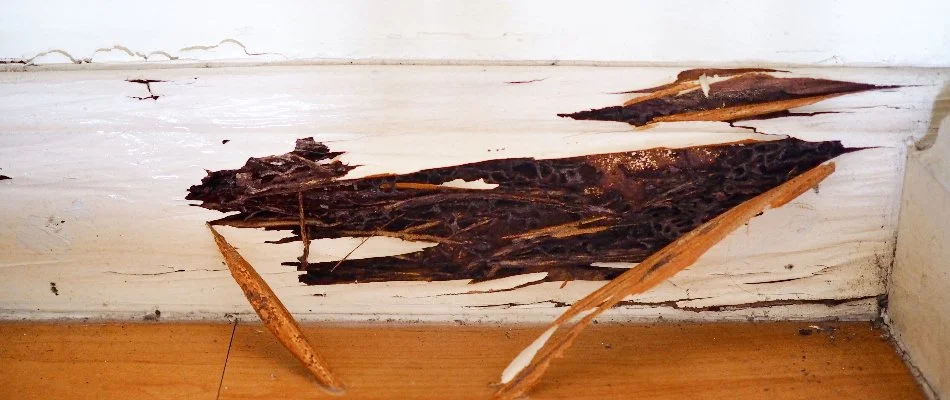
Termites are attracted to damp, dark environments, and excess moisture and water damage in your home can create the perfect conditions for them. Leaky pipes, poor drainage, and other water-related issues can provide the moisture termites need to thrive. Termites are particularly attracted to wood that has been damaged by water, as it is easier for them to chew through. If you have any areas in your home that are prone to excess moisture or water damage, it's important to address these issues promptly to prevent termites from taking residence in your building. This may also involve fixing leaks, improving drainage, or installing a dehumidifier to reduce moisture levels in your home.
Wood-to-Soil Contact Makes It Easy for Termites to Infest Your Home
Termites are attracted to wood, and any wood that is in contact with the soil or located near your home's foundation can be an easy target for these pests. This is because termites can easily travel through the soil to reach the wood, which provides them with a food source and a place to build their colonies. To prevent termites from infesting your home, it's important to avoid wood-to-soil contact as much as possible. This may involve raising wooden structures off the ground or using non-wood materials for construction. Additionally, keeping firewood and other wooden materials away from your home's foundation can help reduce the risk of termite infestations.
Foundation Cracks Provide Entry Points for Termites
Termites can enter your home through gaps and cracks in the foundation, which serve as entry points for these pests. These cracks can occur due to natural settling, weather conditions, or other factors. Once termites gain access to your home, they can cause extensive damage to the structure by feeding on the wood and other cellulose-based materials. To prevent termites from entering your home through foundation cracks, it's important to inspect your foundation regularly and seal any gaps or cracks that you find. You can use a silicone-based caulk or another sealant to fill in the cracks and prevent termites from gaining access to your home. Additionally, keeping the area around your foundation clear of debris and vegetation can help reduce the risk of termite infestations.
Protect your property from damage with our termite control service. Call us to sign up!
If you're concerned about termites infesting your home, we can help! At FertiGator Lawn Care, we offer a termite control service to keep your home safe from these wood-destroying insects. Our team will inspect your property to determine the extent of the infestation and apply a liquid termiticide treatment below the concrete slab of your home.
Our termite control treatments offer protection against these pests for up to 7 years, so you can enjoy peace of mind knowing your home is protected. We offer our termite control service to homeowners in The Villages, Lady Lake, Wildwood, FL, and throughout the surrounding communities. Call us today at %%phone%% to schedule our termite control service.

Comments (0)
Thanks for your comment!
Thanks for your feedback! Your comments have been successfully submitted! Please note, all comments require admin approval prior to display.
Error submitting comment!
There is a problem with your comment, please see below and try again.