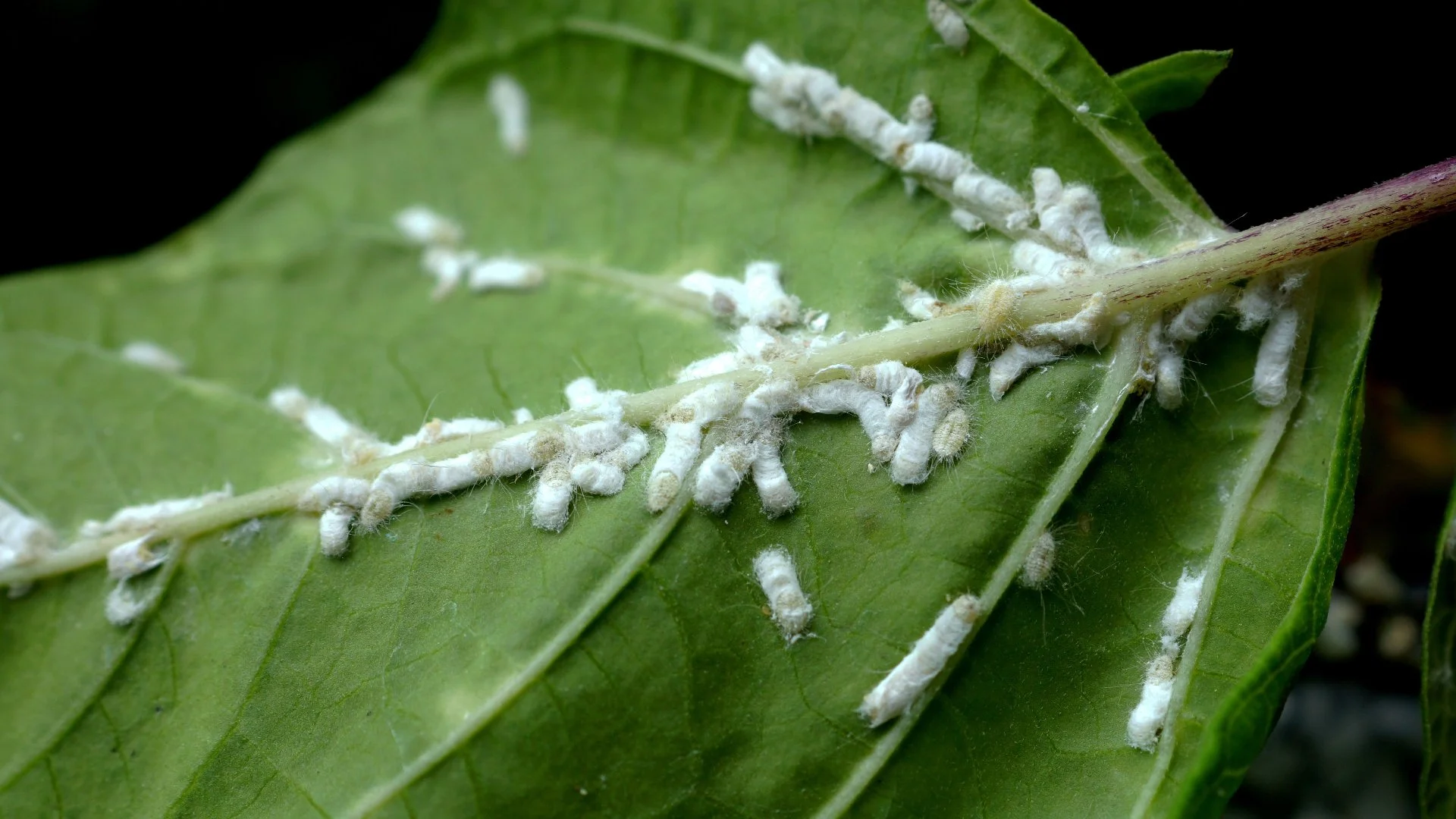
Mealybugs are small, white, cottony pests that thrive in warm, humid environments and infest various plants, including ornamentals and crops. They feed on plant sap, causing stunted growth, yellowing leaves, and potentially plant death. Mealybugs also produce honeydew, which attracts other pests and promotes sooty mold growth, which further damages plants. They are most problematic in spring and summer in Florida when temperatures are consistently warm. If you suspect an infestation, promptly contact professionals. Experts can assess the situation and provide targeted treatments to eradicate mealybugs, ensuring your plants remain healthy and vibrant.
What are mealybugs, and what kind of damage can they cause to plants?
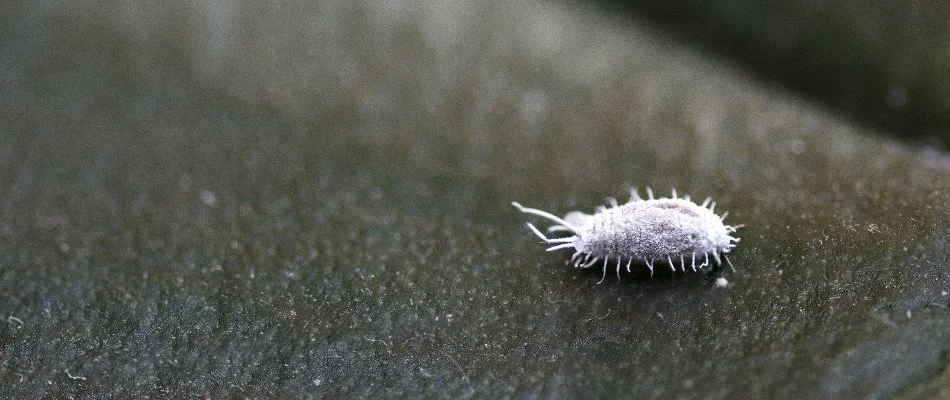
Mealybugs are known for their distinctive white, cottony appearance. These pests are typically found in warm, humid environments and can infest a wide variety of plants, including ornamentals, houseplants, and crops. Mealybugs feed on plant sap by inserting their needle-like mouthparts into the plant tissue, extracting essential nutrients. This feeding process can weaken plants, leading to stunted growth, yellowing leaves, and even plant death if left unchecked.
In addition to direct damage, mealybugs excrete a sticky substance known as honeydew, which can attract other pests like ants and promote the growth of sooty mold. This mold appears as a black, powdery coating on leaves and stems, further inhibiting photosynthesis and overall plant health. The presence of mealybugs and their associated issues can significantly reduce the aesthetic and commercial value of affected plants.
When are mealybugs most problematic?
Mealybugs thrive in warm, humid conditions, making them most problematic during the spring and summer months. They can also be a year-round issue in indoor environments where temperatures are consistently warm. Mealybugs reproduce rapidly, and an infestation can quickly escalate if not addressed promptly. During their life cycle, female mealybugs lay hundreds of eggs, which hatch into nymphs that continue to feed on plant sap. This rapid reproduction means that mealybug populations can explode in a short period, leading to extensive plant damage.
What should you do if you suspect a mealybug infestation?
If you suspect a mealybug infestation, it's crucial to act swiftly to prevent further damage. Contacting professional pest control services is a wise step, especially for significant infestations. Experts can accurately assess the extent of the problem and recommend the most effective treatment options tailored to your specific situation. Their expertise ensures that the infestation is managed efficiently, minimizing the risk of recurrence and safeguarding your plants.
Scheduling a curative treatment with professionals offers targeted solutions that are often more effective than DIY methods. These treatments are designed to eradicate mealybugs while preserving the health of your plants. By relying on professional services, you can ensure comprehensive care and maintain a healthy, thriving plant environment.
Call us today to schedule our tree and shrub insect control service!
Pests like mealybugs can cause serious damage to the health and vitality of your plants. At FertiGator Lawn Care, we offer a tree and shrub insect control service to keep your plants healthy and protected from pest damage. Our team can administer a curative treatment that you can schedule whenever your trees and shrubs encounter a pest infestation. These treatments effectively eliminate mealybugs, as well as other plant pests, such as aphids and scale.
What's more, you can schedule this service independently or as part of our tree and shrub care program. Aside from insect control, this program includes fertilization treatments to strengthen your plants and disease control applications to protect them from fungal issues. We offer this service to residential property owners in The Villages, Lady Lake, Wildwood, and nearby areas in Florida. Give us a call today at (352) 314-2867 to schedule this service!

Comments (0)
Thanks for your comment!
Thanks for your feedback! Your comments have been successfully submitted! Please note, all comments require admin approval prior to display.
Error submitting comment!
There is a problem with your comment, please see below and try again.