
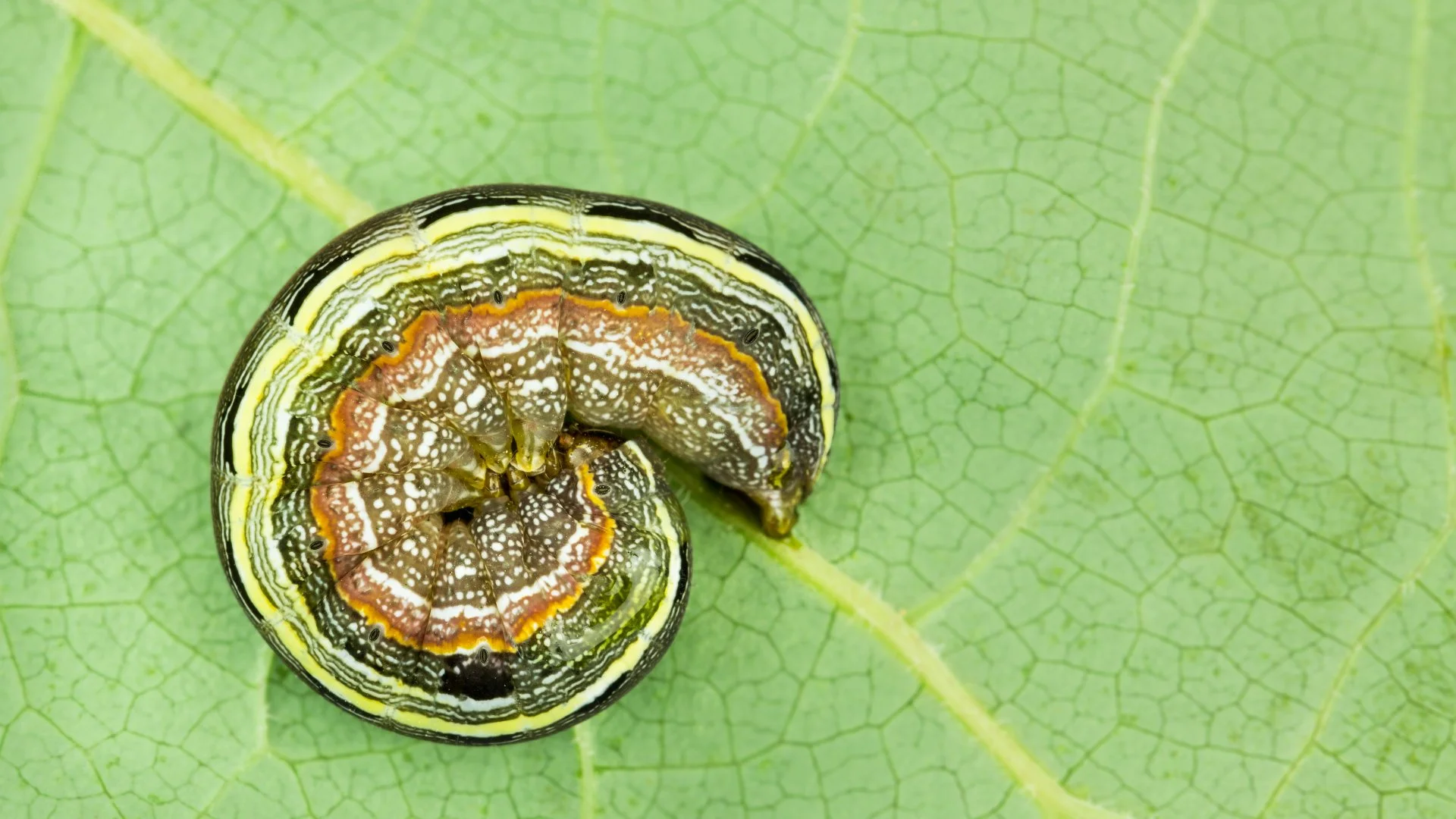
Armyworms are a common lawn pest in Florida that can cause significant damage to your turf. These are caterpillar-like larvae known for their destructive feeding habits and are identifiable by their striped green or brown bodies. These lawn pests create significant damage by feeding on grass blades, resulting in brown patches and compromised grass health.
Armyworms are most problematic in late summer and early fall, thriving in warm conditions and often active during the evening. If you notice signs of infestation, promptly hire professionals to deal with them. Experts will conduct thorough inspections, confirm infestations, and implement targeted treatments, ensuring effective management and minimizing further lawn damage.
What are armyworms, and what damage can they cause on lawns?
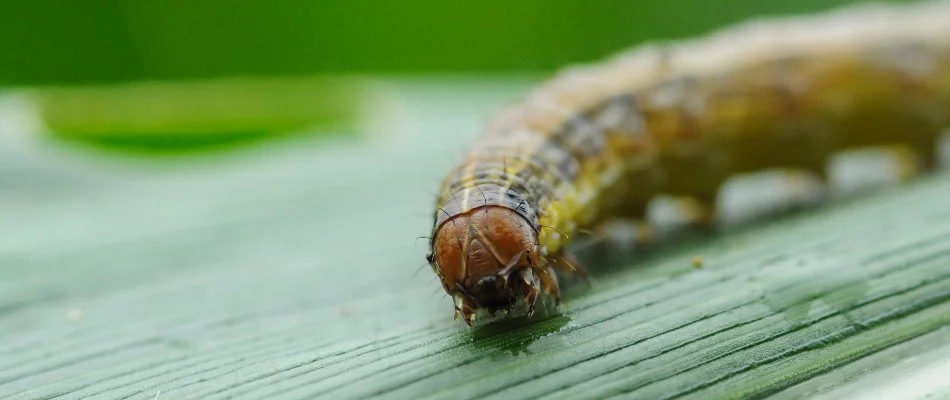
Armyworms, notorious for their rapid and destructive feeding behavior, are caterpillar-like larvae of certain moth species. They are easily identified by their characteristic green or brown bodies, adorned with distinct stripes that run along the length of their backs. Measuring about 1 to 2 inches long, their segmented bodies allow them to caterpillar crawl through grass with ease. This distinctive appearance, coupled with their behavior of moving across lawns in large groups, gives them their name, as they seem to march in unison like an army advancing in formation.
The impact of armyworms on lawns can be devastating if not addressed promptly. These pests primarily feed on grass blades, consuming large quantities rapidly and leaving behind brown, barren patches that starkly contrast with the surrounding healthy turf. The damage is not just cosmetic; as the grass is stripped of its leaves, its ability to photosynthesize and absorb essential nutrients and water is significantly compromised. This weakening of the lawn makes it more susceptible to diseases and environmental stresses.
When do armyworms become most problematic?
Armyworms are most problematic during the late summer and early fall months. During this time, the weather is warm, and the grass is actively growing, providing an ideal environment for armyworms to thrive. Additionally, armyworms are most active during the evening and early morning hours, making it difficult to spot them during the day. Homeowners should be vigilant during these months and keep an eye out for signs of armyworm activity, such as brown patches on the lawn or increased bird activity, as birds often feed on armyworms.
What should you do if you notice signs of an armyworm infestation?
If you notice signs of an armyworm infestation, it’s essential to act swiftly by hiring professional pest control services. Lawn care professionals bring expertise and experience that can be crucial in effectively tackling the problem. They begin with a detailed inspection of your lawn to accurately confirm the presence of armyworms and assess the extent of the infestation. This accurate identification is vital, ensuring that the right treatment methods are used to address the specific pest problem in your lawn.
Once an infestation is confirmed, professionals will devise a tailored treatment plan to eradicate the armyworms and restore your lawn’s health. Hiring professionals ensures that the infestation is managed safely and effectively, reducing the risk of further damage.
Call us today to schedule our armyworm control service for your lawn!
Don't let armyworms destroy your lawn! At FertiGator Lawn Care, we offer an armyworm control service to help you protect your lawn from these destructive pests. This service includes preventative treatments to keep armyworms at bay and curative treatments to help you deal with an existing infestation! Our preventative treatments are administered six times throughout the year for consistent coverage.
We offer our armyworm control service to residential property owners in The Villages, FL, and neighboring areas like Lady Lake and Wildwood. Call us today at (352) 314-2867 to schedule our armyworm control service for your lawn!

Comments (0)
Thanks for your comment!
Thanks for your feedback! Your comments have been successfully submitted! Please note, all comments require admin approval prior to display.
Error submitting comment!
There is a problem with your comment, please see below and try again.