

Stunted growth, leaf discoloration, and reduced flower production are key signs of nutrient deficiency in trees and shrubs. Stunted growth may indicate a lack of nitrogen or phosphorus, while yellowing or curling leaves suggest deficiencies in nitrogen, iron, magnesium, or potassium. Reduced blooms often point to phosphorus and potassium shortages. If you suspect nutrient deficiencies, contact professionals for an accurate diagnosis and targeted fertilizer application. Regular soil testing, proper watering, and mulch can also help prevent future issues. Taking these steps ensures your plants in Florida receive the nutrients they need to thrive and maintain their health and beauty.
Stunted growth is a sign that your trees and shrubs are nutrient-deficient.

One of the first indicators of nutrient deficiency is stunted growth. If your trees and shrubs aren't growing as expected, it may be due to a lack of essential nutrients. Healthy plants should exhibit vigorous growth, with new shoots and leaves appearing regularly. When growth is stunted, the plant may appear smaller than its counterparts or may not produce new growth at all.
Stunted growth can be attributed to several nutrient deficiencies. For example, a lack of nitrogen often results in slow growth, as nitrogen is crucial for leaf and stem development. Similarly, phosphorus deficiency can hinder root growth and overall plant vigor. If you notice that your plants are not growing as they should, it's time to investigate further.
Leaf yellowing, discoloration, curling, and premature leaf drop indicate nutrient deficiency in plants.
Leaves are excellent indicators of a plant's health. Nutrient deficiencies often manifest in the leaves, making them a reliable diagnostic tool. Yellowing leaves, known as chlorosis, are a common sign of nutrient deficiency, particularly a lack of nitrogen, iron, or magnesium. These nutrients are essential for chlorophyll production, which gives leaves their green color.
In addition to yellowing, leaves may exhibit other discolorations, such as reddish or purple hues, which can indicate phosphorus deficiency. Curling leaves or those with brown edges may indicate a potassium deficiency. Premature leaf drop, where leaves fall off earlier than expected, can also be a sign of nutrient stress. Observing these changes in your plants' leaves can provide valuable clues about their nutritional needs.
Your plants might be nutrient-deficient if there is reduced flower production.
Flowering is an energy-intensive process for plants, and nutrient deficiencies can significantly impact a plant's ability to produce blooms. If your flowering trees and shrubs are producing fewer flowers than usual, or if the blooms are smaller and less vibrant, a nutrient deficiency may be to blame.
Phosphorus is particularly important for flower production, and a lack of this nutrient can lead to reduced blooming. Additionally, potassium plays a role in overall plant health and flower development. Ensuring that your plants receive adequate nutrition is essential for maintaining their flowering potential and overall aesthetic appeal.
What should you do if you suspect your trees and shrubs are nutrient-deficient?
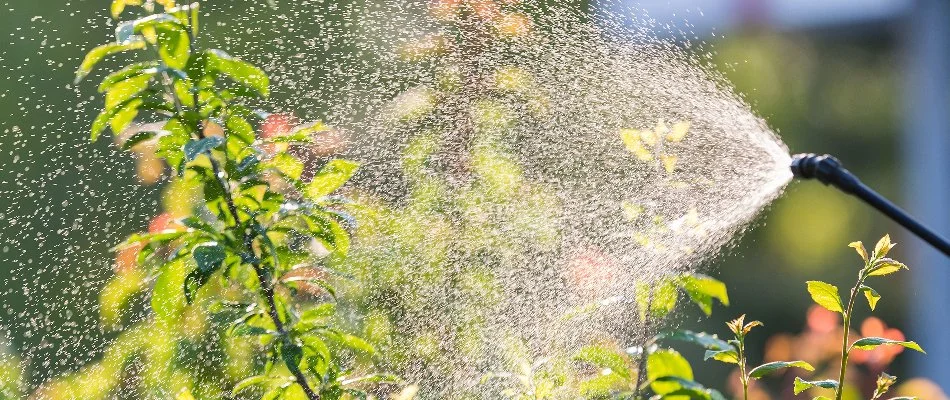
If you suspect that your trees and shrubs are nutrient-deficient, it's essential to take action promptly. The first step is to contact professionals who specialize in plant health care. Professional arborists or horticulturists have the tools and expertise to diagnose the problem accurately. If they confirm a nutrient deficiency, they can apply the appropriate fertilizers to restore your plants' health. Fertilizers are formulated to provide the specific nutrients your plants need, and applying them correctly can lead to significant improvements in plant health and growth.
In addition to professional intervention, you can take proactive steps to prevent future nutrient deficiencies. Regular soil testing can help you understand the nutrient composition of your soil and guide your fertilization efforts. Ensuring proper watering and mulching can also support nutrient uptake and overall plant health.
Give us a call today to sign up for our tree and shrub fertilization service!
At FertiGator Lawn Care, we understand that your trees and shrubs are a valuable investment, and we're here to help you keep them healthy and beautiful. That's why we offer a tree and shrub fertilization service to give them the nutrients they need to thrive throughout the year.
We offer this service to residential properties in The Villages, Lady Lake, Wildwood, and other nearby areas in Florida. With us, you can trust that your trees and shrubs are in good hands, and we'll do whatever it takes to ensure they are in tip-top shape. Give us a call today at (352) 314-2867 to schedule our tree and shrub fertilization service and keep your plants thriving for years to come!

Comments (0)
Thanks for your comment!
Thanks for your feedback! Your comments have been successfully submitted! Please note, all comments require admin approval prior to display.
Error submitting comment!
There is a problem with your comment, please see below and try again.