
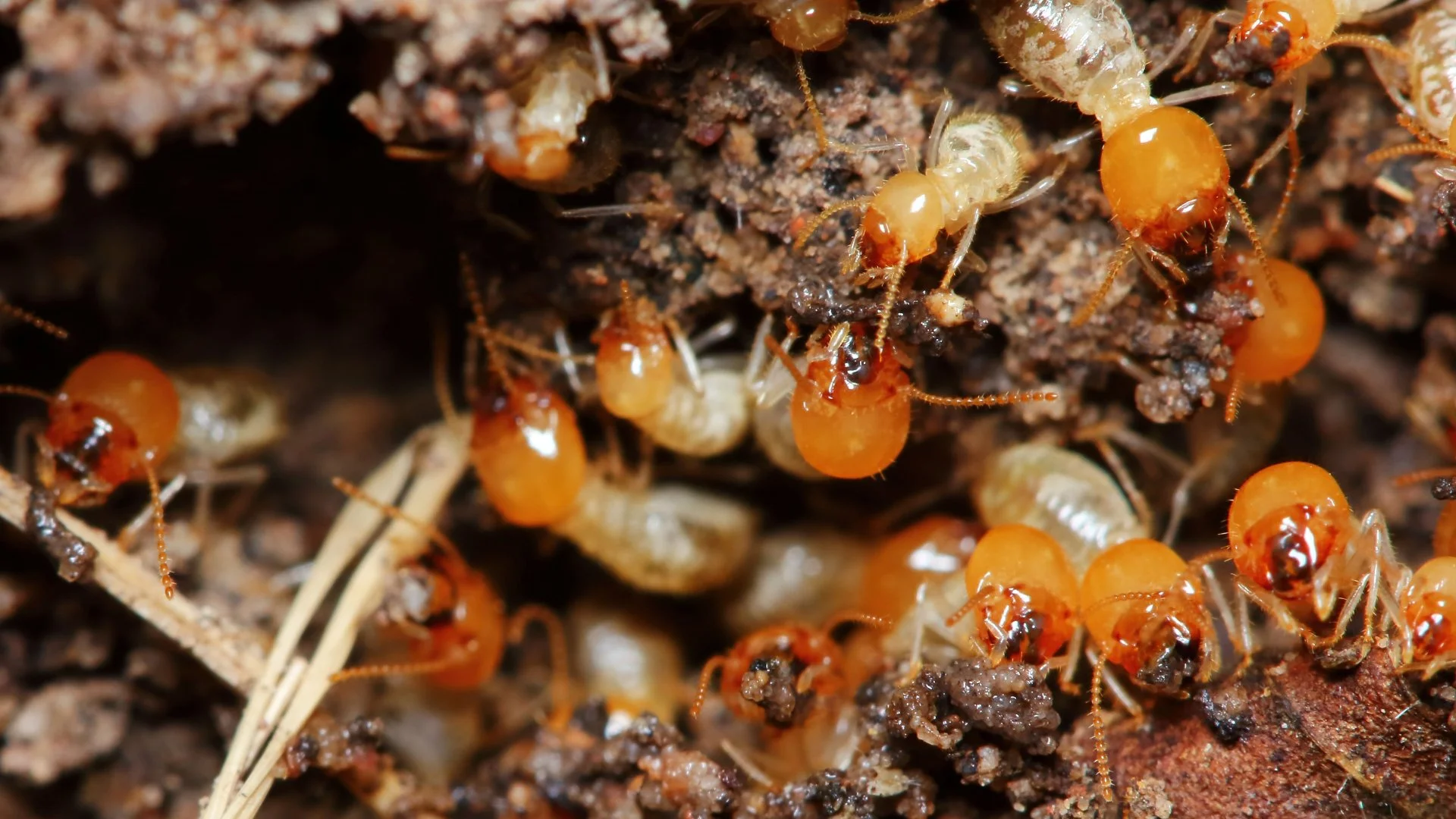
Florida is home to various pests, but one of the most notorious is termites. The three most common types of termites in Florida are subterranean, dampwood, and drywood termites. Subterranean termites are highly destructive and build mud tubes to access wood, while dampwood termites thrive in moist, decaying wood. Meanwhile, drywood termites live in dry wood and can infest furniture, walls, and other wooden structures. By understanding the characteristics and behaviors of these termite species, you can take proactive measures to protect your home from their destructive impact.
1. Subterranean Termites
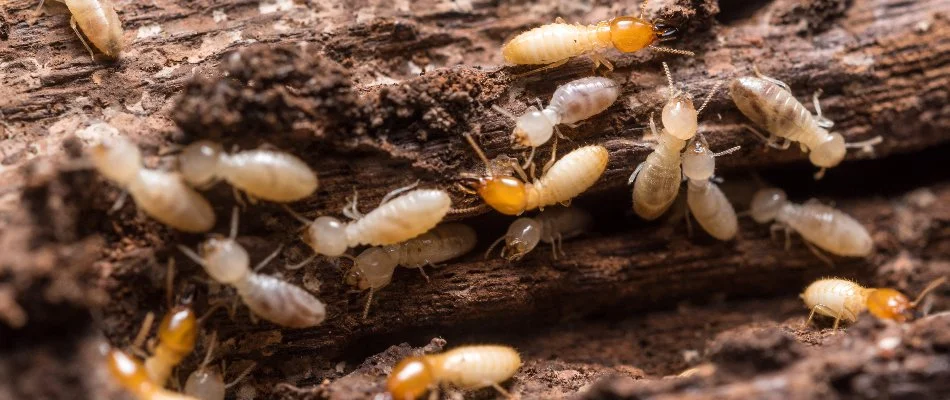
Subterranean termites are the most common and destructive type found in Florida. They live in large colonies underground and build mud tubes to access food sources above ground. These tubes help them maintain the moisture they need to survive. Subterranean termites feed on wood, paper, and other cellulose materials, making them a significant threat to homes and buildings.
One of the reasons subterranean termites are so damaging is their ability to go undetected for long periods. They can hollow out wood from the inside, leaving only a thin veneer, which can lead to structural damage before you even realize there’s a problem. To protect your home, it's crucial to regularly inspect for signs of mud tubes and damaged wood. Preventative measures, such as reducing moisture around your home’s foundation and sealing entry points, can also help keep these termites at bay.
2. Dampwood Termites
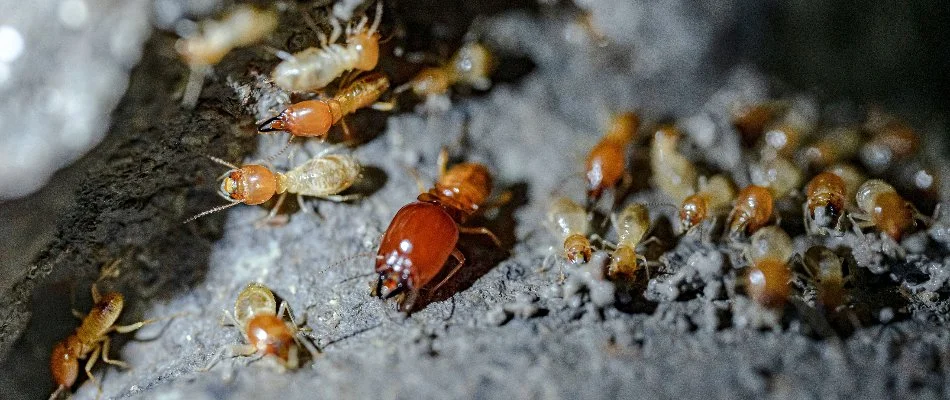
Dampwood termites, as their name suggests, prefer wood with high moisture content. They are typically found in damp, decaying wood, making them less of a threat to well-maintained homes. However, they can be a problem in areas with poor drainage or where wood is in direct contact with soil. Unlike subterranean termites, dampwood termites do not require contact with soil, but they do need a moist environment to thrive.
These termites are larger than their subterranean counterparts and are often found in logs, stumps, and dead trees. While they are not as aggressive in attacking structures, they can still cause damage over time, especially in areas prone to moisture issues. To prevent dampwood termite infestations, it’s important to address any moisture problems in your home, such as leaky pipes or poor ventilation, and to remove any wood debris from around your property.
3. Drywood Termites
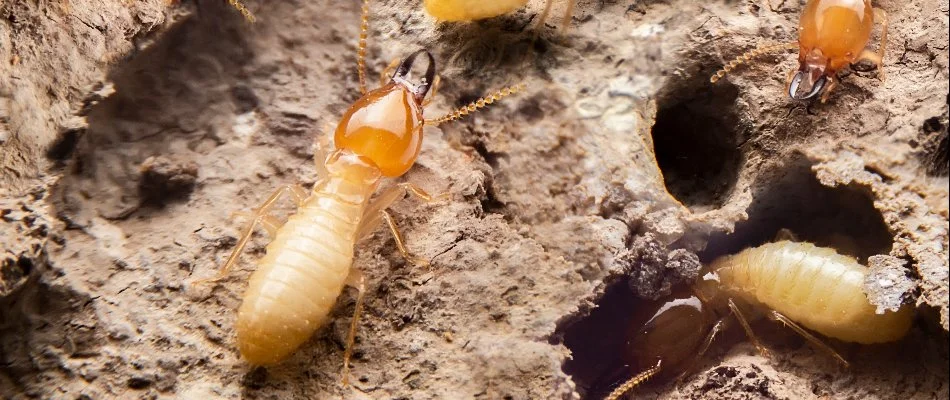
Drywood termites are unique because they do not require contact with soil or high moisture levels to survive. They live directly in the wood they consume, which means they can infest furniture, hardwood floors, and structural timbers. Drywood termites are often introduced into homes through infested furniture or lumber, and they can spread rapidly once inside.
Unlike subterranean termites, drywood termites create small, pellet-like droppings called frass, which can be a telltale sign of their presence. These droppings are often found near infested wood and can be one of the first indicators of an infestation. Because drywood termites can be challenging to detect and eliminate, it’s essential to conduct regular inspections and consider professional pest control services if you suspect an infestation.
Call us today to schedule our termite control service!
Don't let termites take over your home! At FertiGator Lawn Care, we offer a comprehensive termite control service to help you eliminate these destructive pests. This service eliminates termites using a highly effective liquid termiticide treatment, which we will apply directly below your home's concrete slab. This way, we can target the termites where they are most active!
We offer our termite control service to residential property owners in The Villages, Lady Lake, Wildwood, and throughout the surrounding areas in Florida. Don't wait until it's too late - call us today at (352) 314-2867 to schedule our termite control service!

Comments (0)
Thanks for your comment!
Thanks for your feedback! Your comments have been successfully submitted! Please note, all comments require admin approval prior to display.
Error submitting comment!
There is a problem with your comment, please see below and try again.